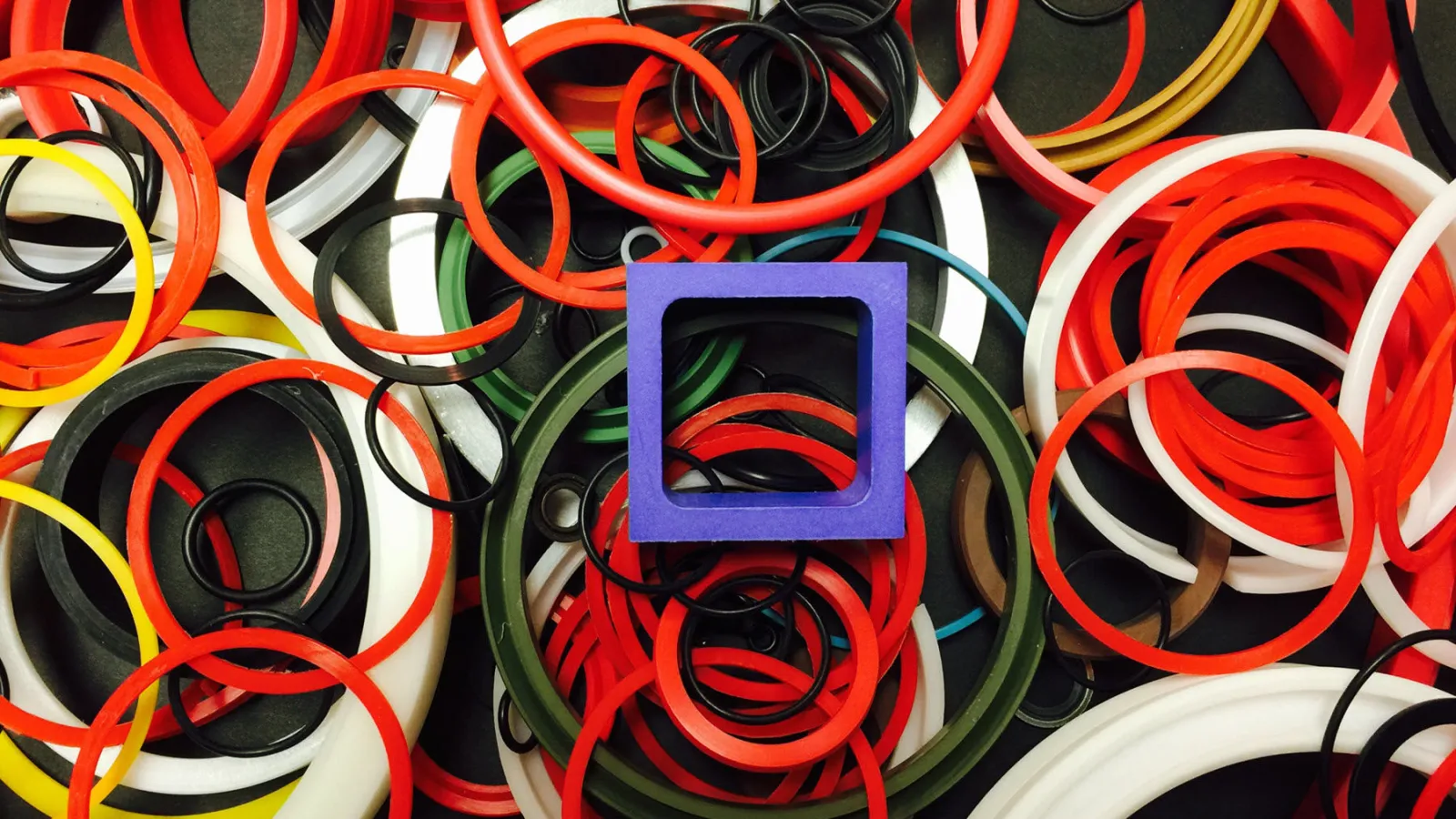
We can reverse engineer or prototype any seal or gasket.
Machined - Molded - Stamped - Die Cut - WaterJet Cut - Formed - Assembled
Materials included: Nitrile - FPM - PTFE - Polyurethane - Acetal - Silicone - EPDM - and many more materials
Most prototypes can be developed and made quickly and at a relatively low cost. We can start with your sketch, drawing, mockup, or sample. Prototype parts and assemblies may be rotating seals, reciprocating seals, three-dimensional molded shapes, or flat cut gaskets. We can offer prototype samples for your inspection and approval before production. Small and large production runs are not a problem.
One reason there is a need for reverse engineering is the need to replace parts that are obsolete and no longer available from the original manufacturer or are worn and broken. Cost is another factor. Some OEMs consider some parts proprietary and make the cost very expensive, the fact being they are not proprietary.
An older piece of equipment may have improved or added performance when new materials and designs are used by re-engineering a part or kit.
An original sample, if available, is used to re-engineer the part. We use the sample for measurements, material analysis, and make a drawing if necessary. All kits are taken apart and each part is individually treated as above. When the parts are made, we label, package, and deliver them.
A 25 to 55 percent savings is often achieved (over OEM prices) through reverse engineering or re-engineering. Fast turn-around of your parts is a priority. We can stock and warehouse parts for items that are used monthly as an option for prompt delivery.
We can create any type of machined, molded, stamped, formed plastic, seal, gasket, or kit.
Starting a Project
Three main items are needed in order to start the development and production of your prototype:
(1) A sketch, detailed part drawing, mockup or sampleo
(2) A set of operational expectations. List any known tolerances and allowable component or material types.
(3) A method of testing your prototype or first production model under working conditions.